
RESOURCES
Truth-telling resources designed to provoke, challenge, and inspire action.

QUICK POLLS
What Do You Think? Where Do You Stand?
Engage with provocative questions about cognitive health, recovery approaches, and lifestyle choices. See how others are responding and challenge your own assumptions about what's possible.
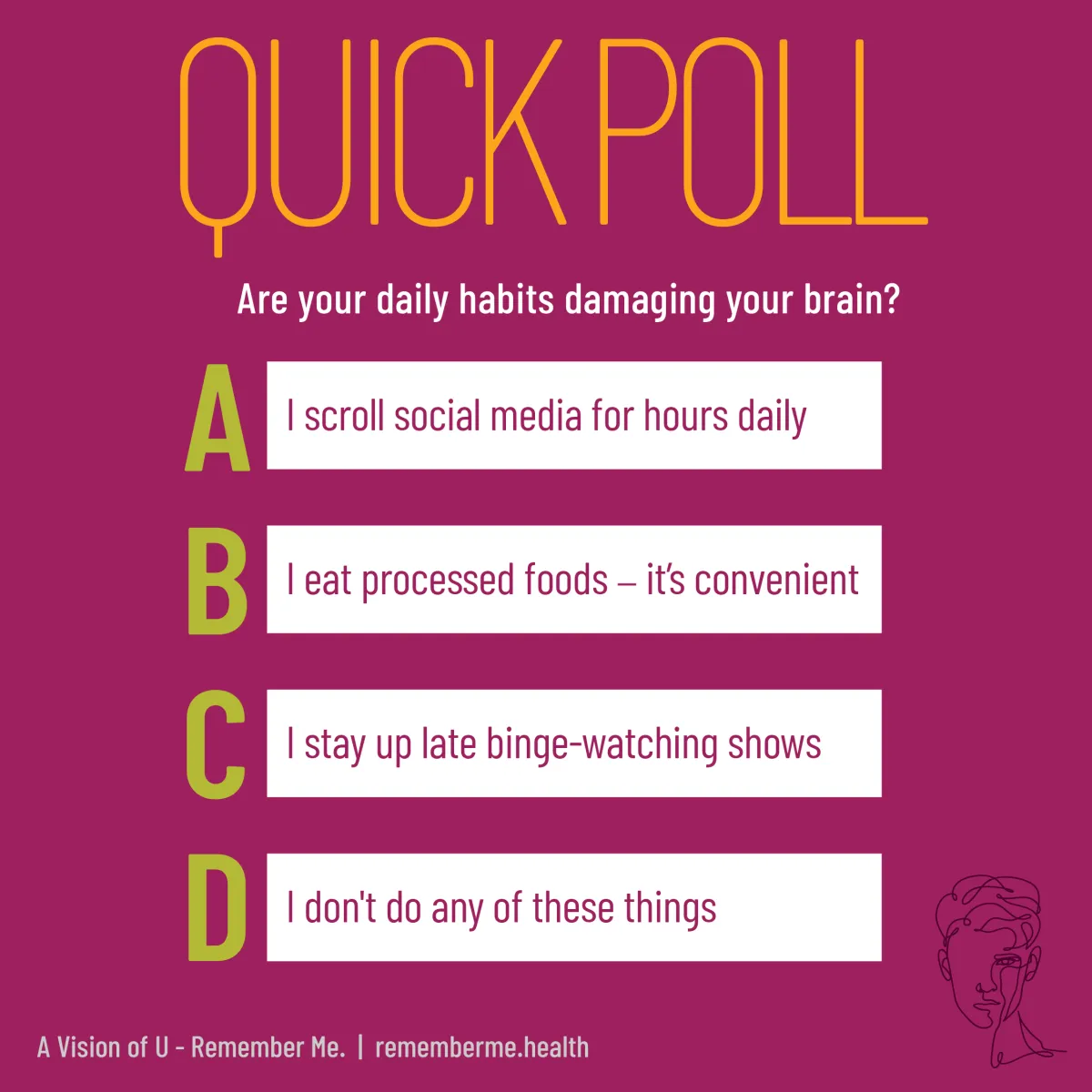
"Are your daily habits damaging your brain?”
A: I scroll social media for hours daily
B: I eat processed foods – it’s convenient
C: I stay up late binge-watching shows
D: I don't do any of these things
"Every habit you just voted for is systematically destroying your brain. Which brain killer owns you?”
Endless scrolling shrinks your prefrontal cortex to goldfish levels. Processed foods create neuro-inflammation that kills neurons faster than aging. Late-night binge-watching prevents your brain from cleaning toxic proteins that cause dementia. You're not just making "lifestyle choices" - you're choosing cognitive decline one habit at a time.
Which of these three brain destroyers controls your daily routine?
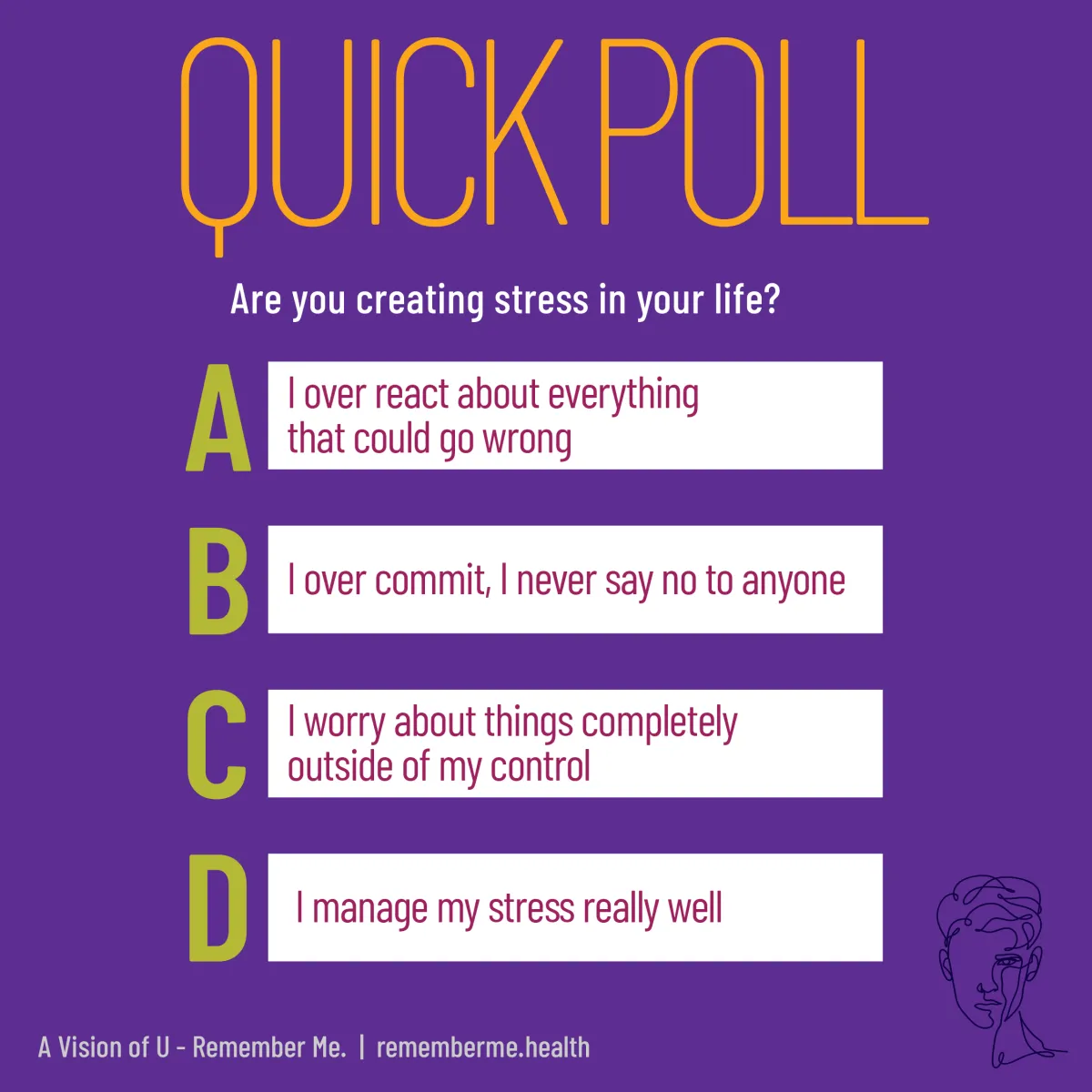
“Are you creating stress in your life?”
A: I catastrophize everything that could go wrong
B: I overcommit and never say no to anyone
C: I worry about things completely outside my control
D: I manage my stress really well
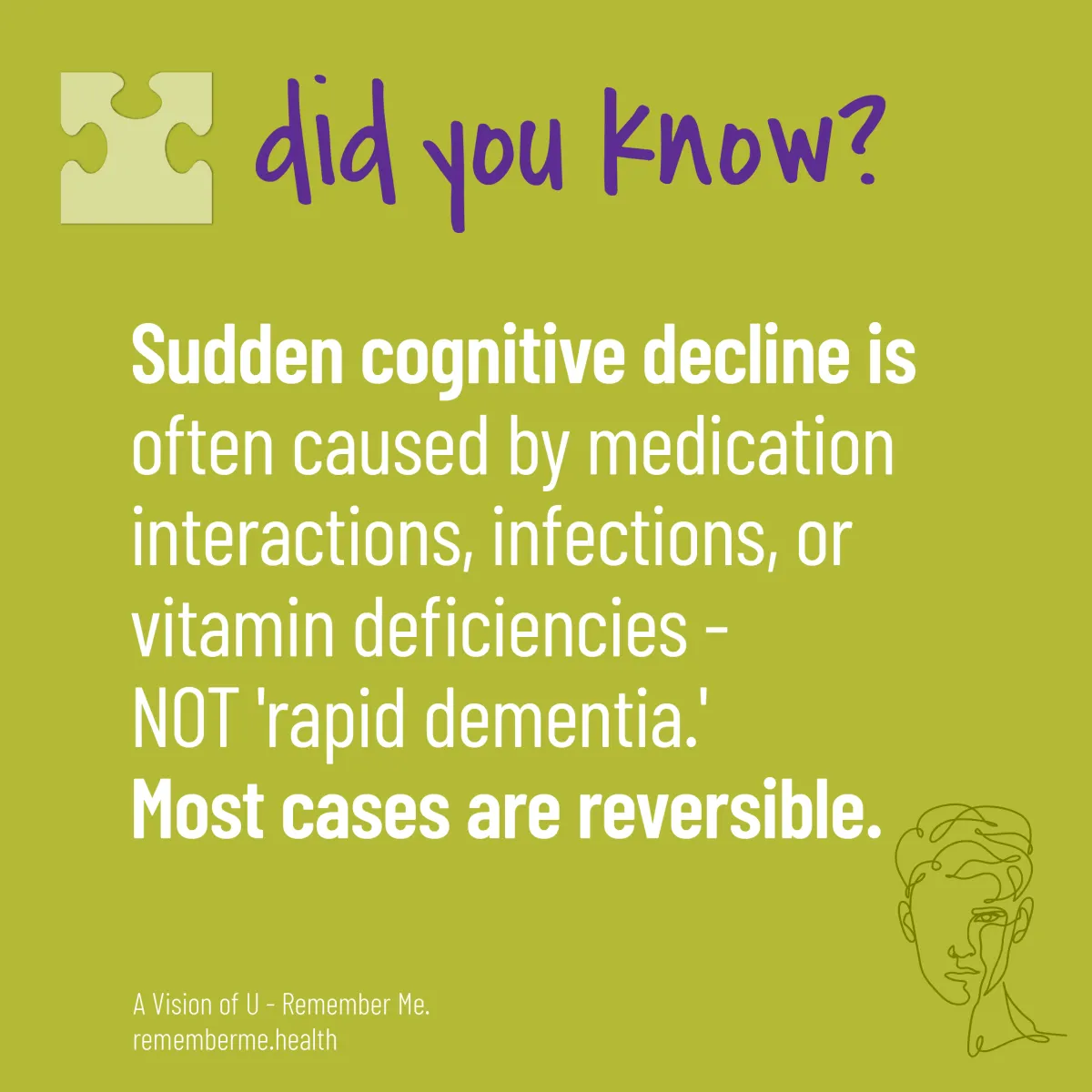
“Chronic stress shrinks your hippocampus by 12-26%. Congratulations, you’re giving yourself measurable brain damage.”
Your constant worry isn't just unpleasant - it's literally destroying your memory center. While you're catastrophizing about imaginary problems, real brain damage is happening. You're so busy stressing about everything that you're creating the one thing actually worth worrying about: losing your mind.
How are you manufacturing your own cognitive decline? Your brain is keeping score.
"Do you avoid challenging your brain?"
A: I use GPS for places I've been dozens of times
B: I Google everything instead of trying to remember
C: I stick to the same routines and never try new things
D: I challenge my brain regularly
"Use it or lose it isn't just a saying - it's neuroscience. You're choosing to lose it."
Every mental shortcut you take is a neural pathway you're abandoning. Your brain is designed to adapt or die, and you're voting for death with every GPS reliance, every Google search, every avoided challenge. You're systematically training your most important organ to be useless.
What mental muscle are you letting atrophy? Laziness has consequences.
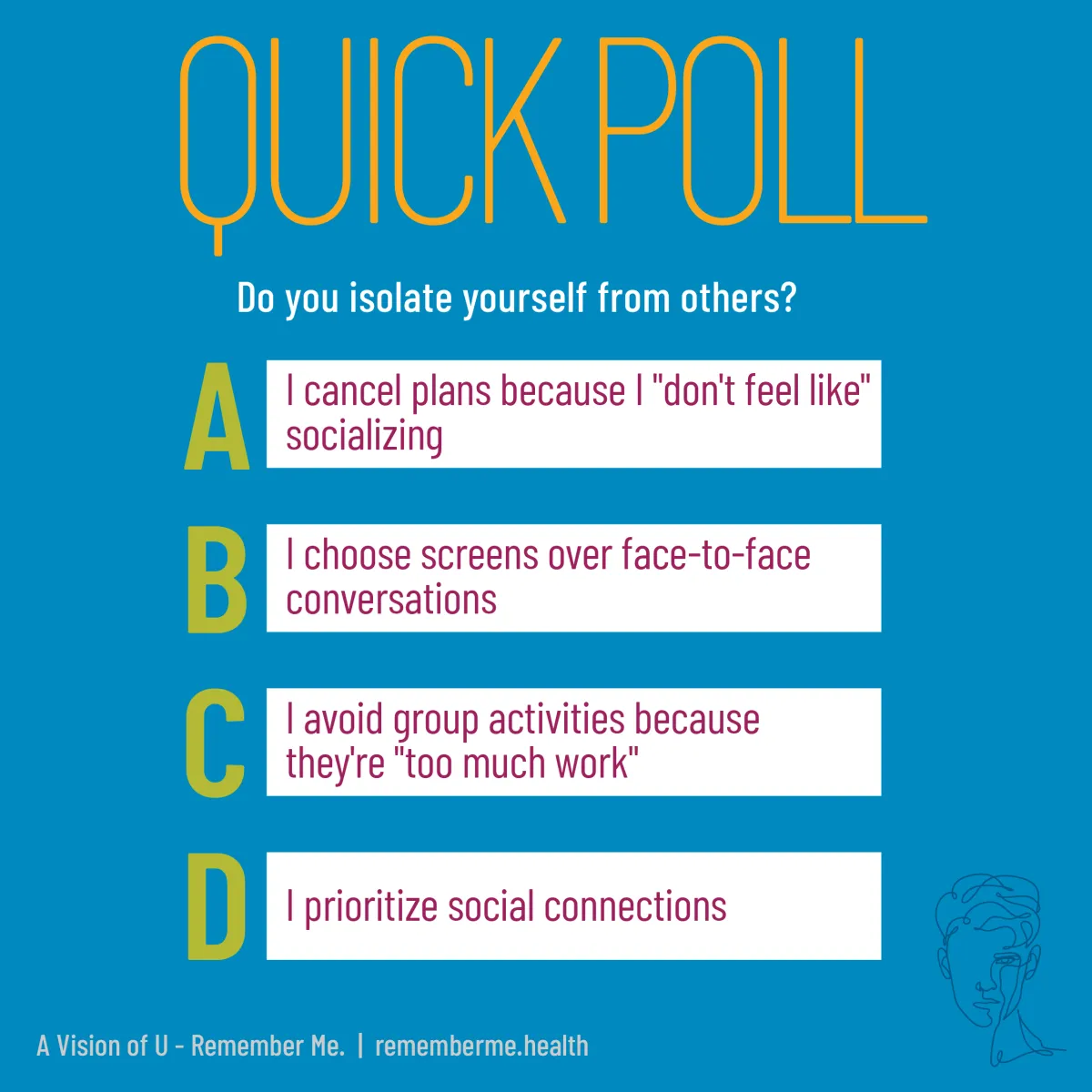
“Do you isolate yourself from others?“
A: I cancel plans because I "don't feel like" socializing
B: I choose screens over face-to-face conversations
C: I avoid group activities because they're "too much work"
D: I prioritize social connections
"Loneliness kills more brain cells than alcohol. Yet here you are, choosing isolation because people are 'exhausting.’
Your antisocial behavior isn't introversion - it's brain decline. Social interaction fires up multiple brain regions simultaneously, building cognitive reserve. But you'd rather stay home because human connection requires effort. Every cancelled plan is a vote for dementia.
How often do you choose your couch over your cognitive health? People are exhausting, but so is losing your mind.
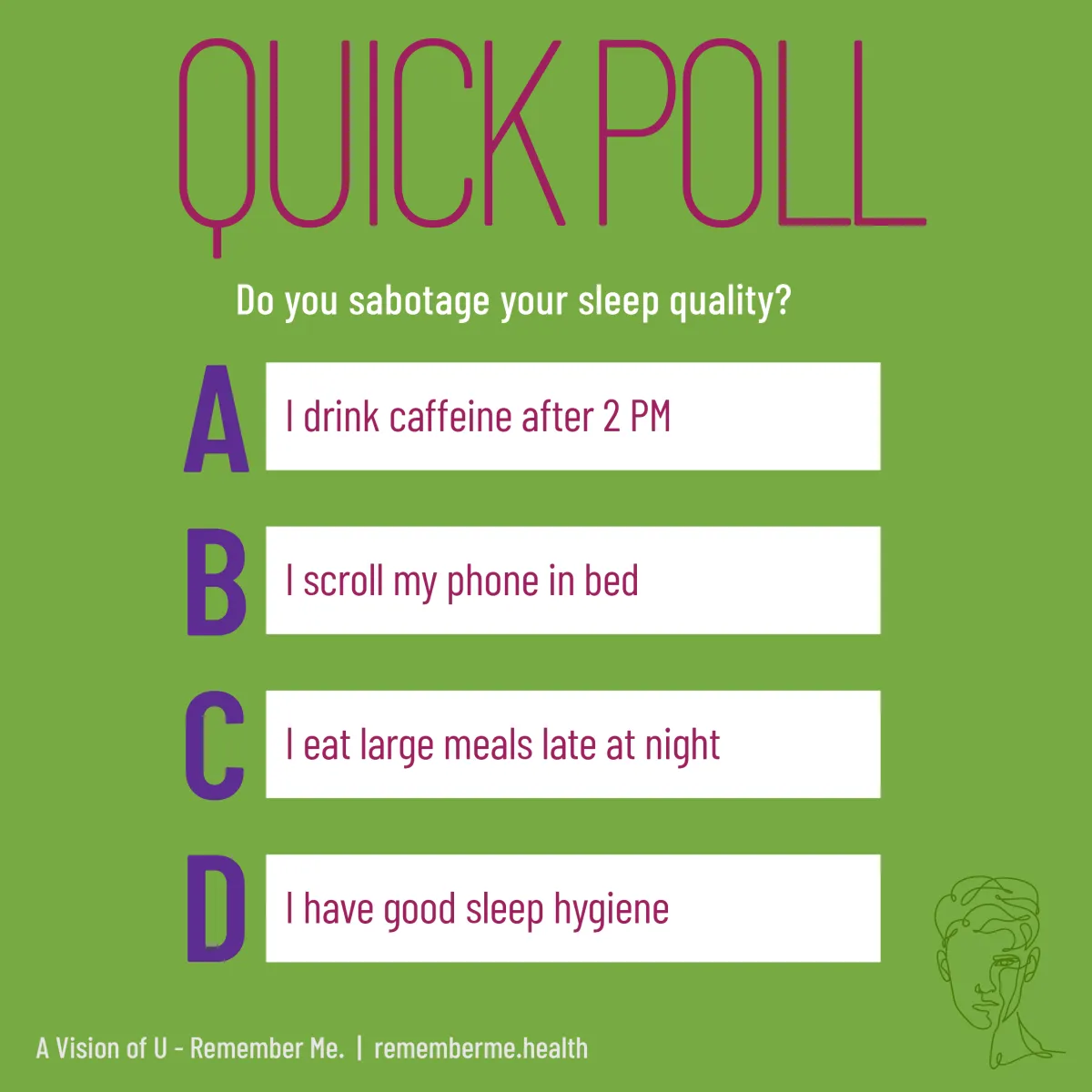
“Do you sabotage your sleep quality?”
A: I drink caffeine after 2 PM
B: I scroll my phone in bed
C: I eat large meals late at night
D: I have good sleep hygiene
"Poor sleep lets toxic proteins accumulate in your brain. You're literally choosing Alzheimer's over good sleep hygiene."
While you sleep, your brain flushes out amyloid plaques and tau proteins - the garbage that causes dementia. But your evening caffeine, blue light, and late eating sabotage this critical cleaning. You're prioritizing Netflix over neurological health. Those toxins are building up while you make excuses.
Which sleep saboteur describes you?
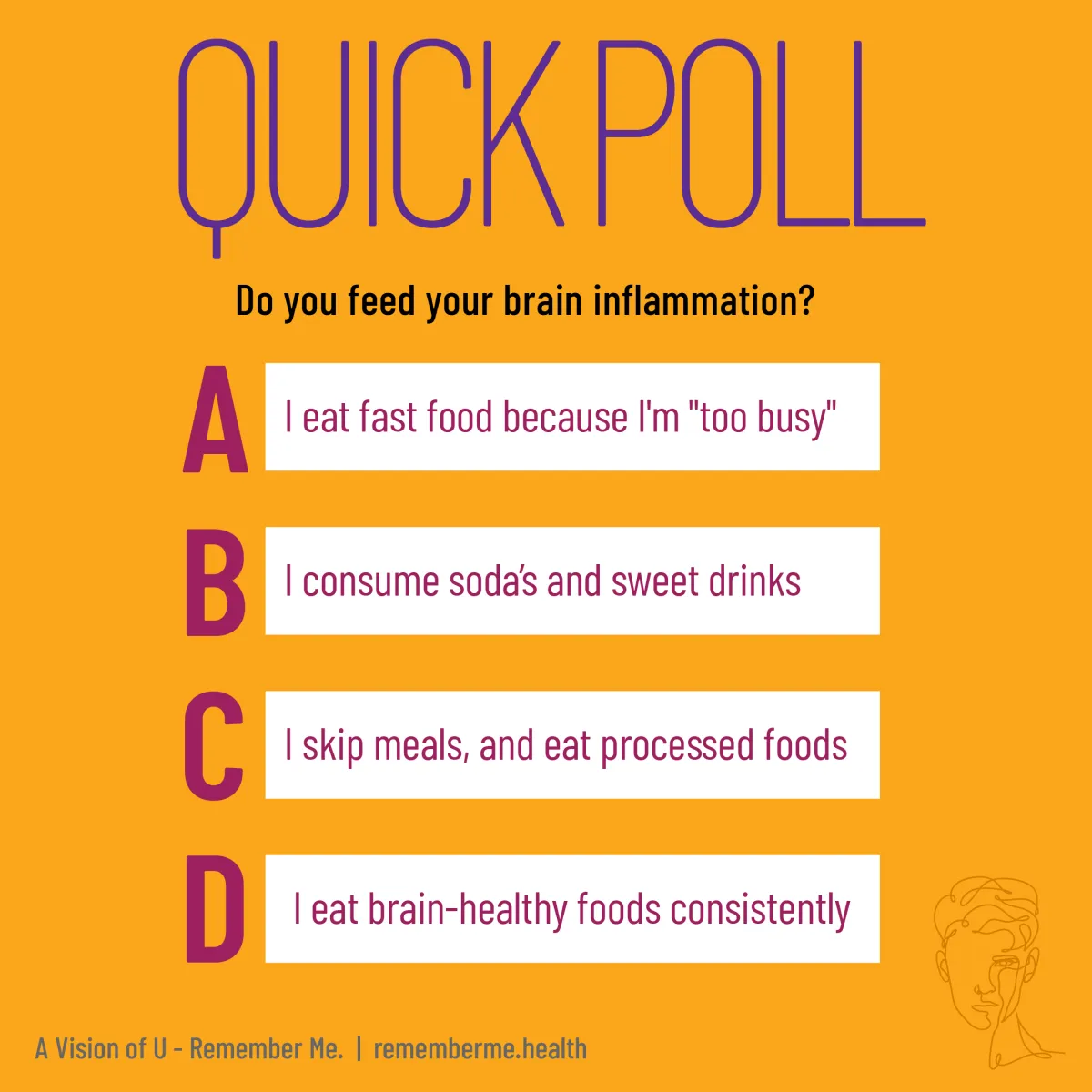
"How do you feed your brain inflammation?"
A: I eat fast food because I'm "too busy"
B: I consume sodas and sweet drinks
C: I skip meals, then binge eat processed foods
D: I eat brain-healthy foods consistently
"Every meal you voted for is a direct attack on your neural connections. You're eating your way to dementia."
Fast food creates brain inflammation equivalent to a head injury. Sodas spike blood sugar causing cognitive crashes worse than alcohol. Meal skipping then binge eating creates neurological chaos that destroys memory formation. You're not "too busy" for brain health - you're too lazy to prioritize the organ that makes you human.
Which brain-poisoning eating pattern describes your daily routine? Your neurons are screaming while you make excuses.
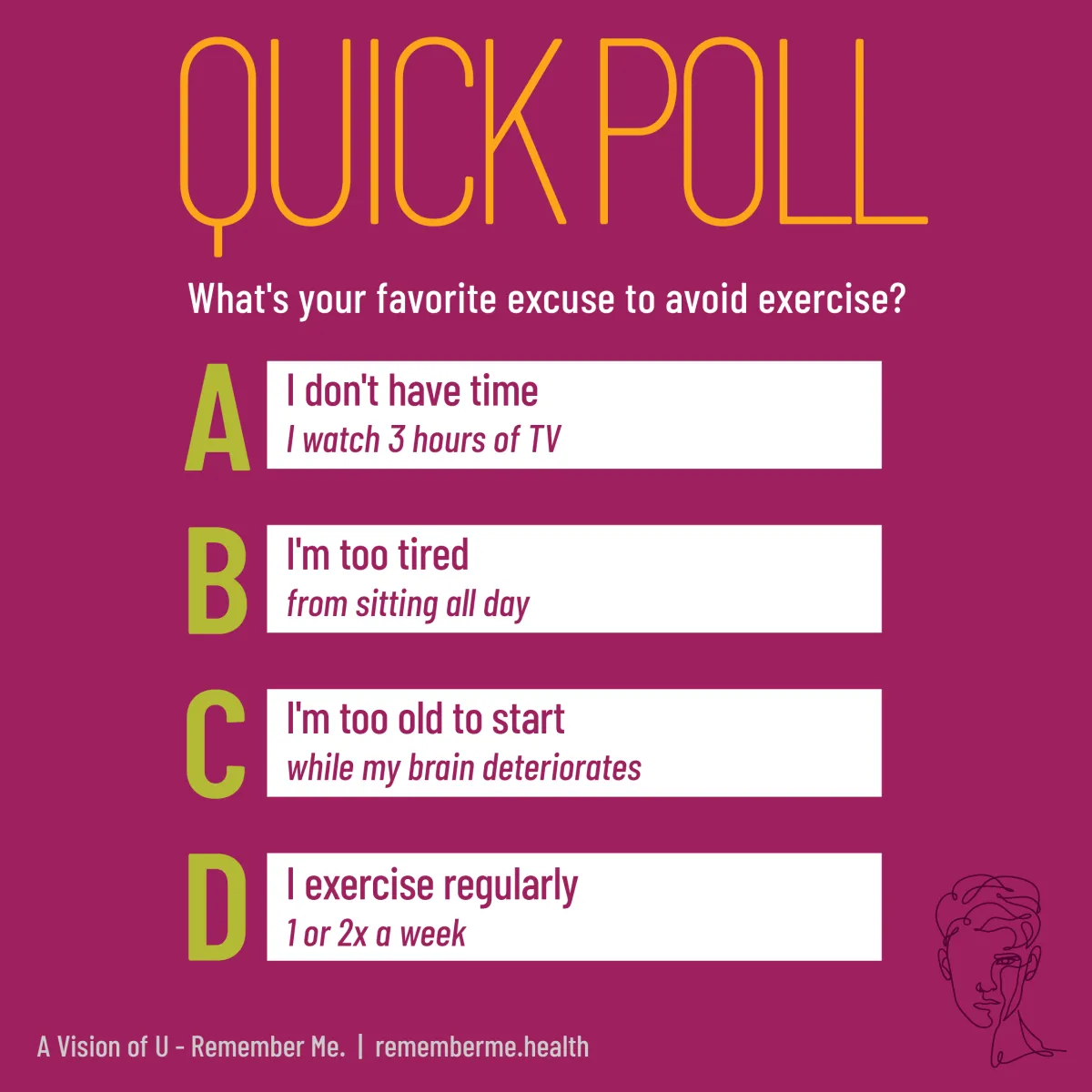
"What's your favorite excuse to “avoid exercise?”
A: "I don't have time" (but I watch 3 hours of TV)
B: "I'm too tired" (from sitting all day)
C: "I'm too old to start" (while my brain dies)
D: I exercise regularly for my brain
"Sedentary living accelerates brain aging equivalent to additional years of decline. Do the math."
"No time" while watching 3 hours of TV proves you're a liar. "Too tired" from sitting proves you're lazy. "Too old" while your brain deteriorates proves you've given up. Exercise grows new brain cells - the only proven way to reverse cognitive decline. Would you rather preserve comfort than consciousness?
Which creative excuse is killing off your brain cells daily? Comfort costs your mind.
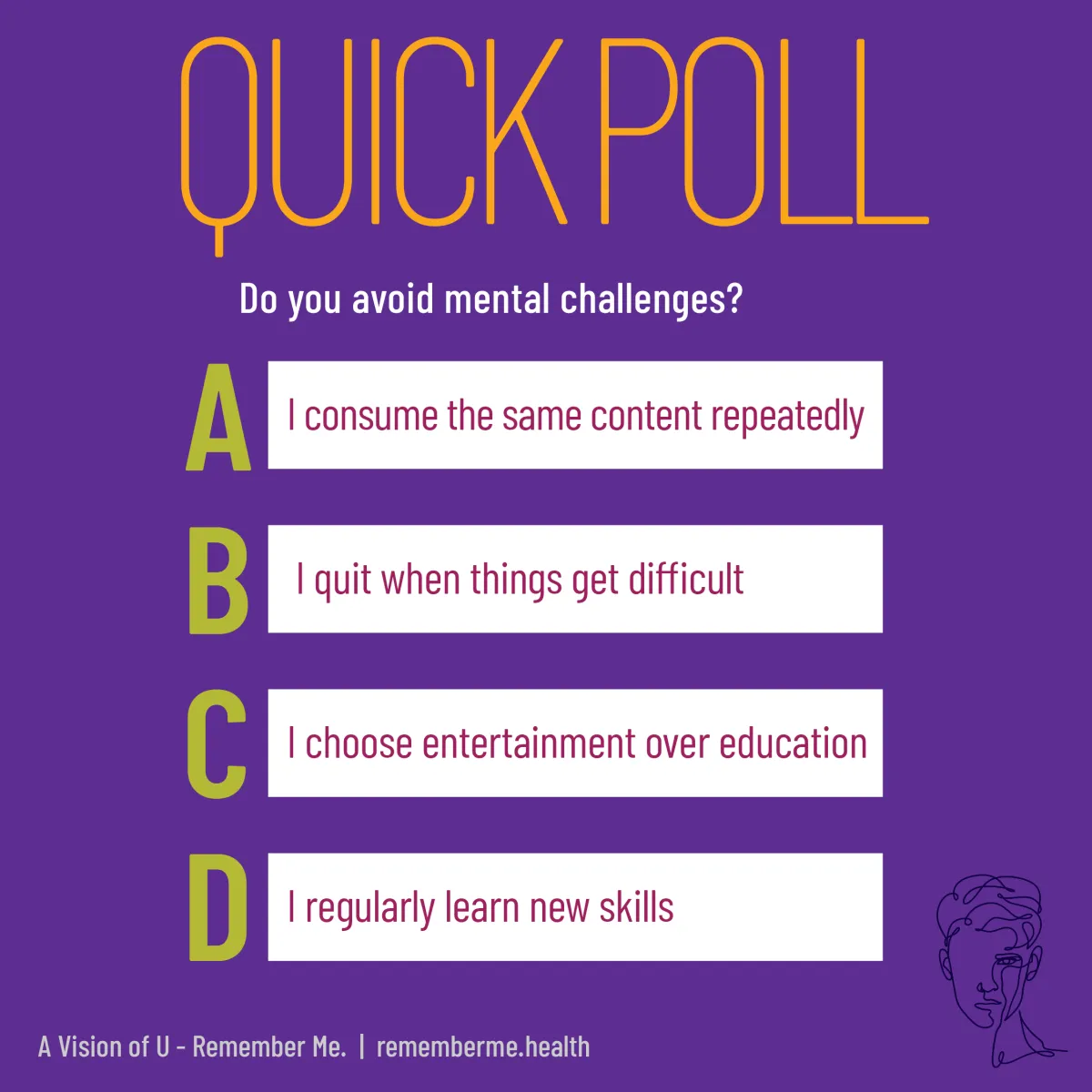
“Do you avoid mental challenges?”
A: I consume the same content repeatedly
B: I quit when things get difficult
C: I choose entertainment over education always
D: I regularly learn new skills
“Neuroplasticity begins declining in your 20s if you stop learning. Most of you stopped challenging yourselves years ago."
Neuroplasticity isn't optional - it's survival. But you rewatch the same shows, avoid difficult topics, quit when challenged. You're choosing mental stagnation over cognitive vitality. Every easy choice is a hard consequence later.
When did you stop growing your brain? Your mind is either expanding or expiring.
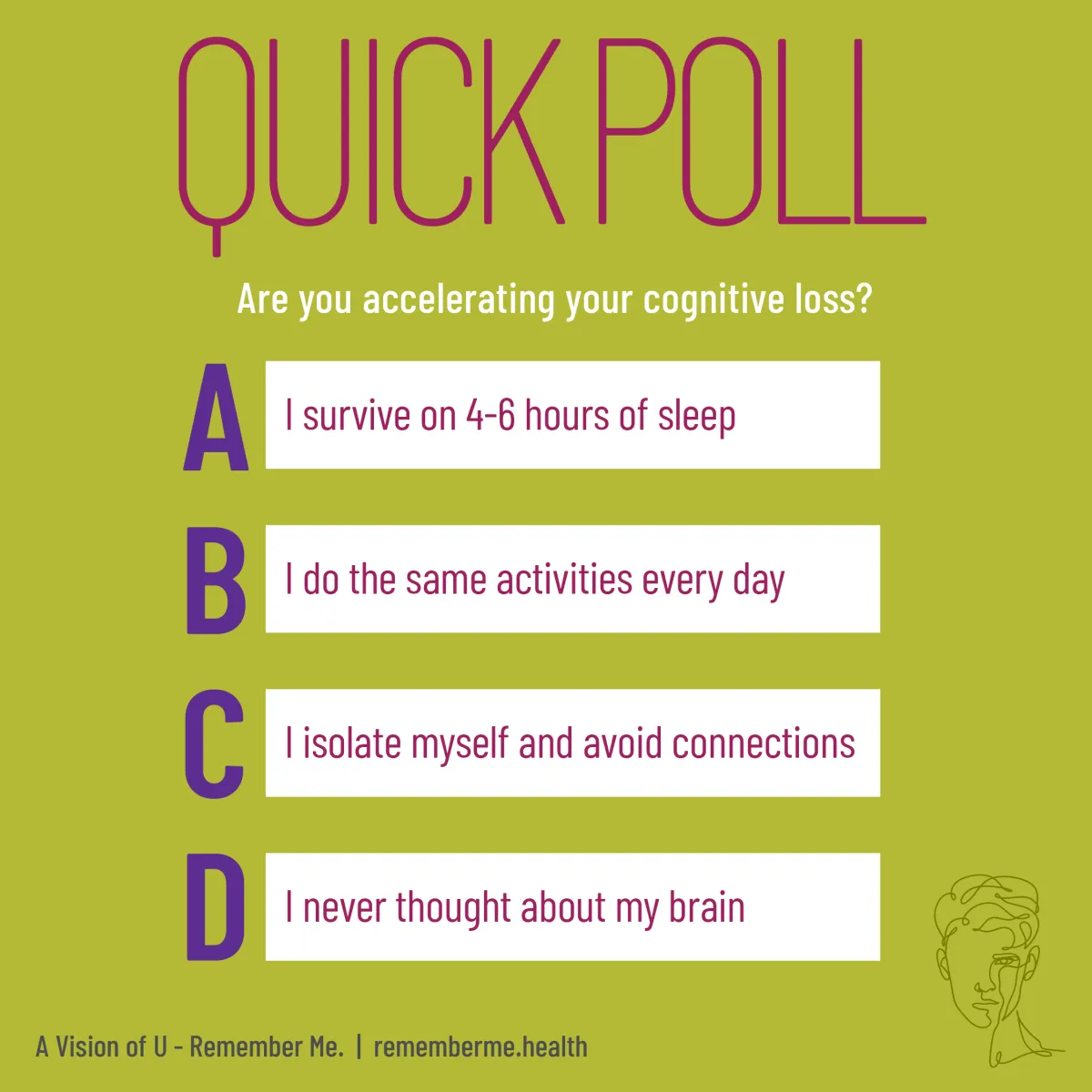
“Are you accelerating your cognitive loss?”
A: I survive on 4-6 hours of sleep because I'm "too busy"
B: I do the same mindless activities every single day
C: I isolate myself and avoid meaningful connections
D: I never thought about protecting my brain
“Sleep deprivation kills brain cells faster than alcohol poisoning. But you're too important to sleep, right?"
Four hours of sleep triggers the same brain damage as binge drinking, except you do it every night. Your brain literally eats itself when sleep-deprived, consuming healthy neurons for energy. But sure, stay up scrolling because that email can't wait until tomorrow.
How many brain cells did you wipe out last night? Your pillow isn't the enemy - your priorities are.
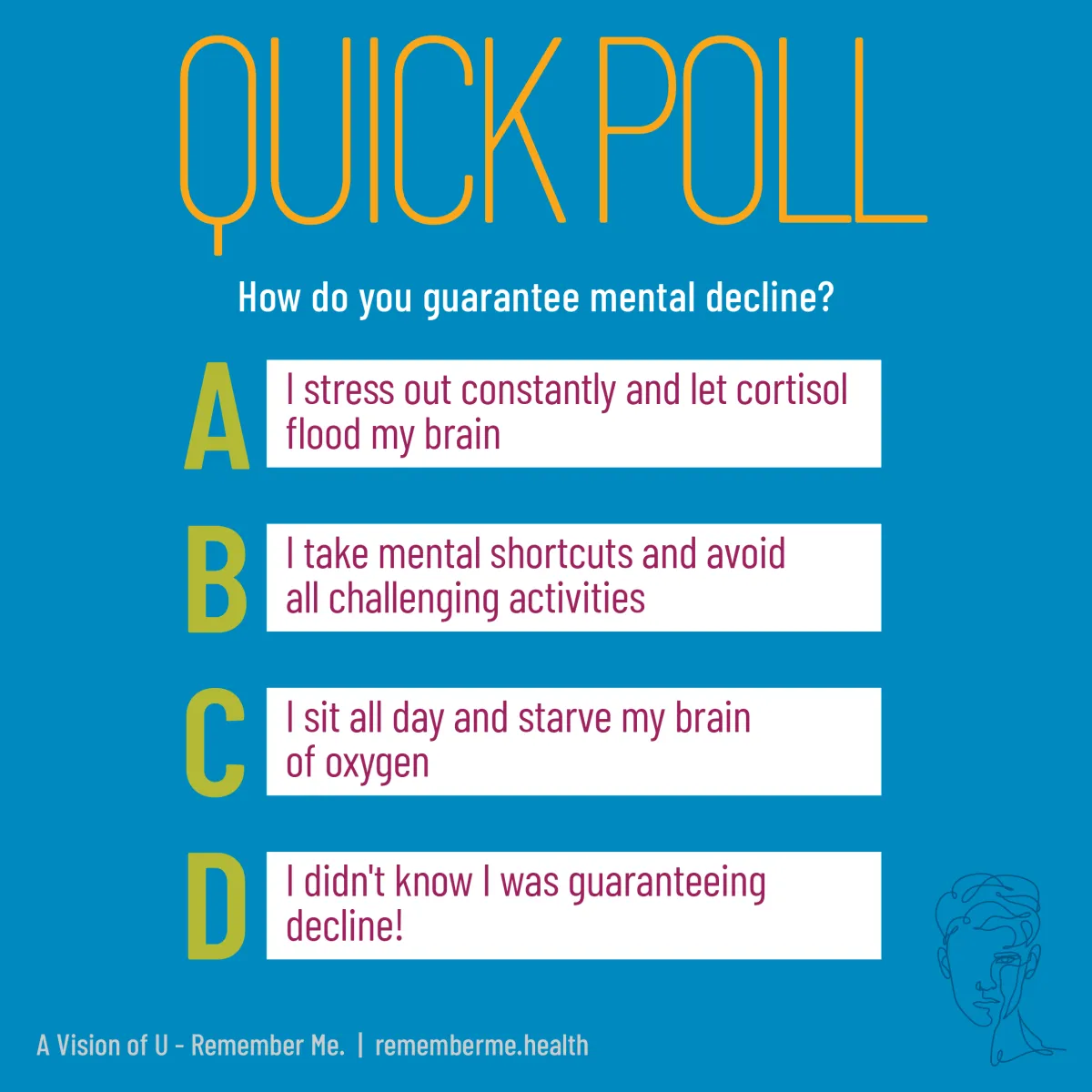
"How do you guarantee mental decline?"
A: I stress out constantly and let cortisol flood my brain
B: I take mental shortcuts and avoid all challenging activities
C: I sit all day and starve my brain of oxygen
D: I didn't know I was guaranteeing decline
“Sitting 8+ hours daily shrinks your brain's memory center. Standing desks aren't trendy - they're survival."
Your sedentary lifestyle is suffocating your hippocampus. Every hour spent sitting reduces blood flow to your brain by 20%. You're literally starving your neurons while wondering why you feel foggy. Movement isn't exercise - it's brain life support.
How many hours did you spend brain-suffocating today? Your chair is a cognitive death trap.
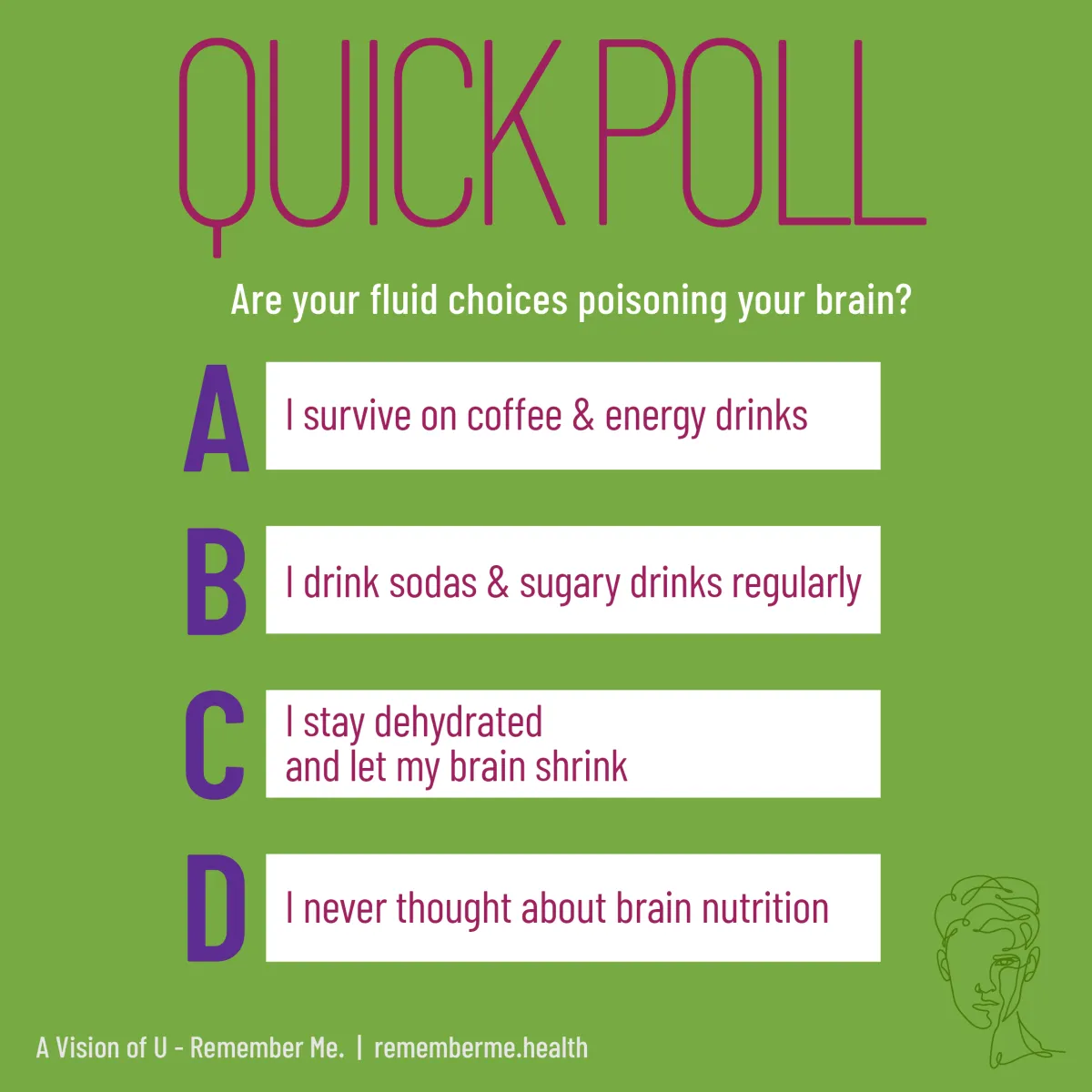
"Are your fluid choices poisoning your brain?"
A: I survive on coffee and energy drinks all day
B: I drink sodas and sugary drinks regularly
C: I stay dehydrated and let my brain shrink
D: I never thought about brain hydration
“Dehydration shrinks your brain tissue by 2% in just 90 minutes. That water bottle isn't optional."
Your brain is 75% water, but you're running on coffee and energy drinks. Even mild dehydration triggers the same cognitive impairment as being legally drunk. You're walking around brain-drunk while blaming "brain fog" on everything except your water intake.
When did you last drink actual water? Your brain is literally drying up while you make excuses.
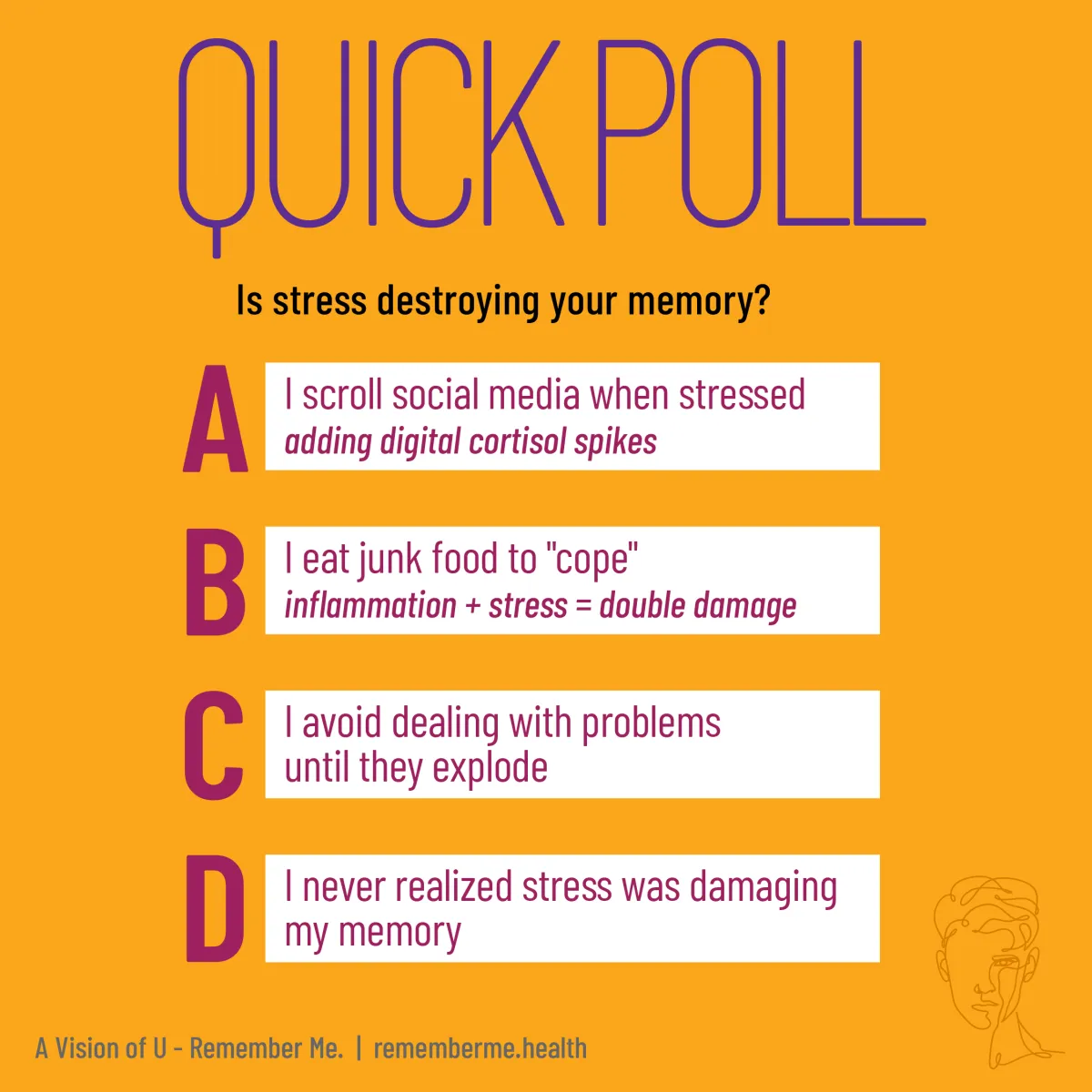
“Is stress destroying your memory?"
A: I scroll social media when stressed (adding digital cortisol spikes)
B: I eat junk food to "cope" (inflammation + stress = double damage)
C: I avoid dealing with problems until they explode
D: I never realized stress was damaging my memory
“Chronic worriers have significantly smaller memory centers. Your anxiety isn’t just unpleasant - it’s brain damage."
Every minute you spend catastrophizing, cortisol is literally dissolving your hippocampus. You’re so busy worrying about imaginary futures that you’re destroying your ability to remember anything. Your overthinking isn’t thorough - it’s toxic.
Which memory-destroying stress response owns you?











This program is designed to complement medical care and is based on lifestyle interventions supported by current research. While 92% wait for pharmaceutical solutions, this course provides evidence-based tools you can use immediately. The information provided is not intended to diagnose, treat, cure or prevent any disease. Results may vary.
Privacy Policy | Terms & Conditions | © 2026 AVOU&Me LLC